
OperaDynasty: A Blend of Strategy and Drama in Gaming
The gaming world is constantly evolving, embracing new themes and concepts that capture the imagination of players globally. One such captivating entry is OperaDynasty, a game that beautifully integrates the art of opera with strategic gameplay. This unique combination not only provides players with a thrilling experience but also introduces them to the majestic world of opera.
A New Age of Gaming with Opera Elements
OperaDynasty stands out in the digital gaming landscape by merging traditional theatrical elements with modern gaming mechanics. The game invites players into a universe where they assume the role of an opera troupe manager. Their mission: to build a troupe, perfect performances, and conquer the stage. As players progress, they interact with operatic characters, each possessing unique abilities that contribute to the overall dynamics and strategy of the game.
The release of OperaDynasty has coincided with a growing interest in cultural and artistic themes within the gaming industry, reflecting a trend where games are not just for entertainment but also serve as educational tools. The inclusion of opera, a classical art form, opens a portal into history and culture, offering players a rare insight into this artistic domain.
Gameplay Mechanics and Player Engagement
The design of OperaDynasty is centered around strategic management and performance. Players must manage resources wisely, choose the right performers, and time their acts perfectly to outshine rival troupes. The strategic component is akin to running an actual opera house, requiring financial decisions, cast management, and technical rehearsals. Such depth in gameplay ensures sustained player engagement as each decision impacts the overall success of the troupe.
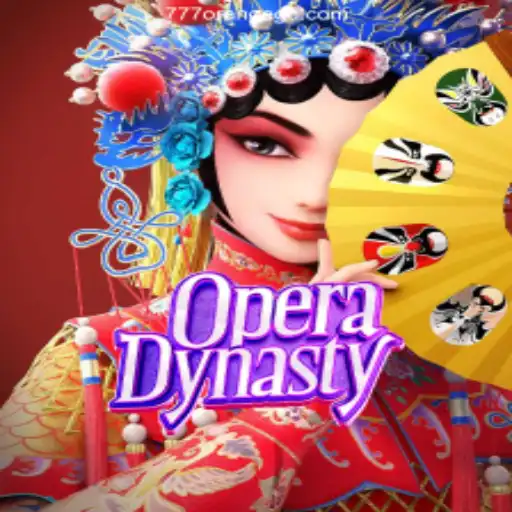
In addition to strategic elements, OperaDynasty brings the grandeur of opera to life through stunning visuals and audio. The game designers have painstakingly recreated iconic operatic scenes and music, ensuring authenticity and an immersive experience. This attention to detail has garnered OperaDynasty critical acclaim, setting a new standard for themed video games.
Rules of the Game: Mastering the Opera Stage
Mastering OperaDynasty demands a keen understanding of its rules and intricacies. The core rules revolve around three main areas: resource management, performer selection, and show execution.
- Resource Management: Players begin with a set budget, with funds allocated towards securing artists, costumes, and stage settings. Effective management of these resources is crucial to progress in the game.
- Performer Selection: Each performer in OperaDynasty brings unique skills and strengths. Selecting the right mix of performers can greatly influence the success of each act. Players must consider not only the abilities but also the harmony between characters to ensure a seamless production.
- Show Execution: During performances, players must ensure everything goes according to plan. This involves timing music cues, managing performers' entrances and exits, and adapting to unforeseen circumstances. The execution phase is where strategic planning meets real-time decision-making.
The combination of these elements ensures that each OperaDynasty playthrough is unique, with multiple potential outcomes based on player choices.
The Impact of Current Events on OperaDynasty's Popularity
OperaDynasty's release comes at a time when the world is gradually recovering from a global pandemic that significantly impacted cultural institutions, including opera houses. As many opera companies turned to digital platforms to reach audiences, OperaDynasty offers a digital stage for opera lovers and new audiences alike to explore this art form interactively.
The game also aligns with a resurgence in the appreciation for cultural heritage and arts, making it relevant in contemporary contexts. As virtual experiences become more prominent, games like OperaDynasty bridge the gap between art and technology, introducing new ways to appreciate historical art forms.
Additionally, the rise of platforms like 777orange.Com highlights the increasing demand for diverse gaming experiences. These platforms showcase games that promise not only entertainment but also educational value—an aspect that OperaDynasty fulfills by educating players about opera while providing captivating gameplay.
Conclusion: The Renaissance of Operatic Games
OperaDynasty represents a new genre in the gaming world, where art meets strategy, and creativity knows no bounds. By engaging with this game, players embark on a journey through the theater of old while honing their strategic thinking in a competitive gaming environment. As the landscape of digital entertainment continues to evolve, games like OperaDynasty promise to lead the way in offering novel and enriching experiences.